
The Role of Different Floorings on Home Temperature Control
Choosing the right flooring can greatly affect your home’s insulation. Floors are more than just surfaces to walk on; they play a crucial role in maintaining temperature. Certain materials can help keep heat inside during winter and outside during summer. Understanding how different types of flooring impact insulation efficiency is essential for energy conservation.
Understanding Types of Flooring Materials
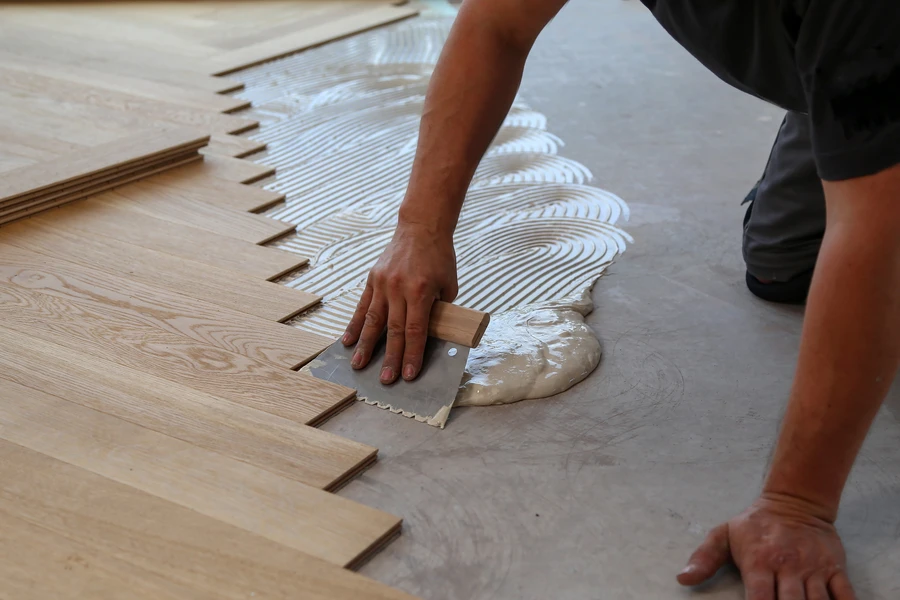
When it comes to residential flooring, options range from hardwood to carpet, each offering unique characteristics. Hardwood floors, while aesthetically pleasing, may not provide as much insulation as other materials. In contrast, carpets have natural insulating properties due to their fibers and padding. Tile and laminate also offer varied levels of thermal resistance, often requiring additional underlayment for improved insulation.
Evaluating Insulation Properties of Carpet
Carpets are excellent insulators because they trap air within their fibers. The thicker the carpet, the more effective it will be at insulating. Residential flooring with thick carpeting can significantly reduce energy costs by minimizing the need for heating and cooling systems. Carpeting also adds comfort and reduces noise, making it a popular choice for bedrooms and living areas.
Hardwood Flooring’s Impact on Heat Retention
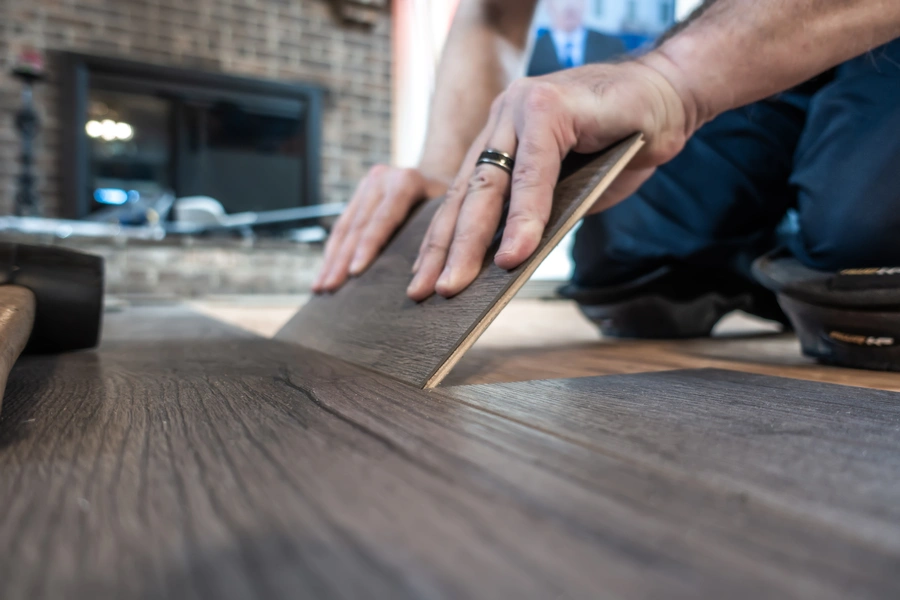
While elegant, hardwood flooring does not naturally insulate well compared to other materials. However, when paired with an appropriate underlayment or rugs, it can improve its insulation capability. This type of flooring can be a good choice if you prefer a classic look but still want some degree of insulation efficiency.
The Advantages of Using Cork Flooring
Cork is an eco-friendly material that provides outstanding insulation. Its cellular structure traps air, which helps maintain room temperature. Cork is both renewable and offers a soft surface underfoot, making it a great option for eco-conscious homeowners looking for alternative solutions to traditional flooring.
Adding Underlayments for Enhanced Insulation
Using an underlayment beneath floors can boost insulation efficiency significantly. Underlayments act as barriers against moisture and provide extra cushioning, which assists in soundproofing and thermal regulation. Popular choices include foam and rubber-based materials that work well with most flooring types.
- Foam underlayments: Lightweight and inexpensive, suitable for laminate and engineered wood
- Rubber underlayments: Heavier, ideal for soundproofing and thermal retention, compatible with multiple flooring types
- Cork underlayments: Natural insulating properties, best for eco-friendly options
Cost Considerations When Choosing Flooring
The cost of flooring varies widely depending on the material. While initial expenses might seem high for quality options like cork or thick carpet, these investments often result in savings on energy bills. It’s important to weigh these long-term benefits against upfront costs when selecting the best flooring for your home.
Final Thoughts on Choosing Flooring With Insulation in Mind
Incorporating the right flooring into your home can enhance insulation efficiency and decrease energy usage. By understanding the properties of each material and exploring additional measures like underlayments, homeowners can make informed decisions. Contact Perez Flooring at (919) 924-7555 for expert advice tailored to your specific needs. Based in Apex, NC, our team is dedicated to providing top-quality service and helping you achieve energy-efficient solutions.